Artificial Disc Replacement (ADR) is a modern surgical solution for patients struggling with chronic neck or back pain caused by damaged spinal discs. Unlike traditional spinal fusion, ADR is designed to relieve pain while preserving natural spinal motion and mobility. For many patients, it offers a path back to mobility, activity, and a life not defined by limitations.
At ADR Spine, founder and leading spinal neurosurgeon, Dr. Todd H. Lanman, brings decades of expertise and innovation to motion-preserving spine surgery. As a leader in clinical trials for FDA-approved disc implants and a patient who has undergone multiple spine surgeries himself, Dr. Lanman understands firsthand what it takes to return to an active, pain-free life. If you’re exploring surgical options for spinal pain, here’s how to know if you may be a candidate for artificial disc replacement.
Artificial Disc Replacement is a surgical procedure that replaces a damaged spinal disc with an artificial implant. These implants are designed to mimic the function of a healthy disc by absorbing shock, maintaining disc height, and allowing for normal spinal movement. ADR is typically used to treat cervical or lumbar disc disease that has not responded to conservative therapies.
Spinal fusion permanently connects two or more vertebrae to eliminate motion and stabilize the spine. While this approach can reduce pain, it often limits mobility and may increase stress on surrounding discs. This can lead to a condition known as adjacent segment disease (ASD), where nearby spinal levels break down over time.
By preserving motion at the treated level, ADR reduces the mechanical stress on adjacent discs and may help prevent ASD. For appropriate candidates, ADR offers both pain relief and long-term biomechanical advantages over fusion.
ADR allows for continued movement at the operated level, maintaining spinal flexibility. This helps patients return to everyday activities and reduces the sense of stiffness often associated with fusion.
By preserving motion, ADR decreases stress on the spinal segments above and below the treated area. This may lower the risk of future degeneration and the need for additional surgeries.
In general, recovery from ADR is quicker than from spinal fusion. Patients often experience faster pain relief, earlier return to activity, and higher satisfaction with long-term outcomes.
To determine whether you are a good candidate for ADR, your care team will conduct a thorough evaluation, which may include:
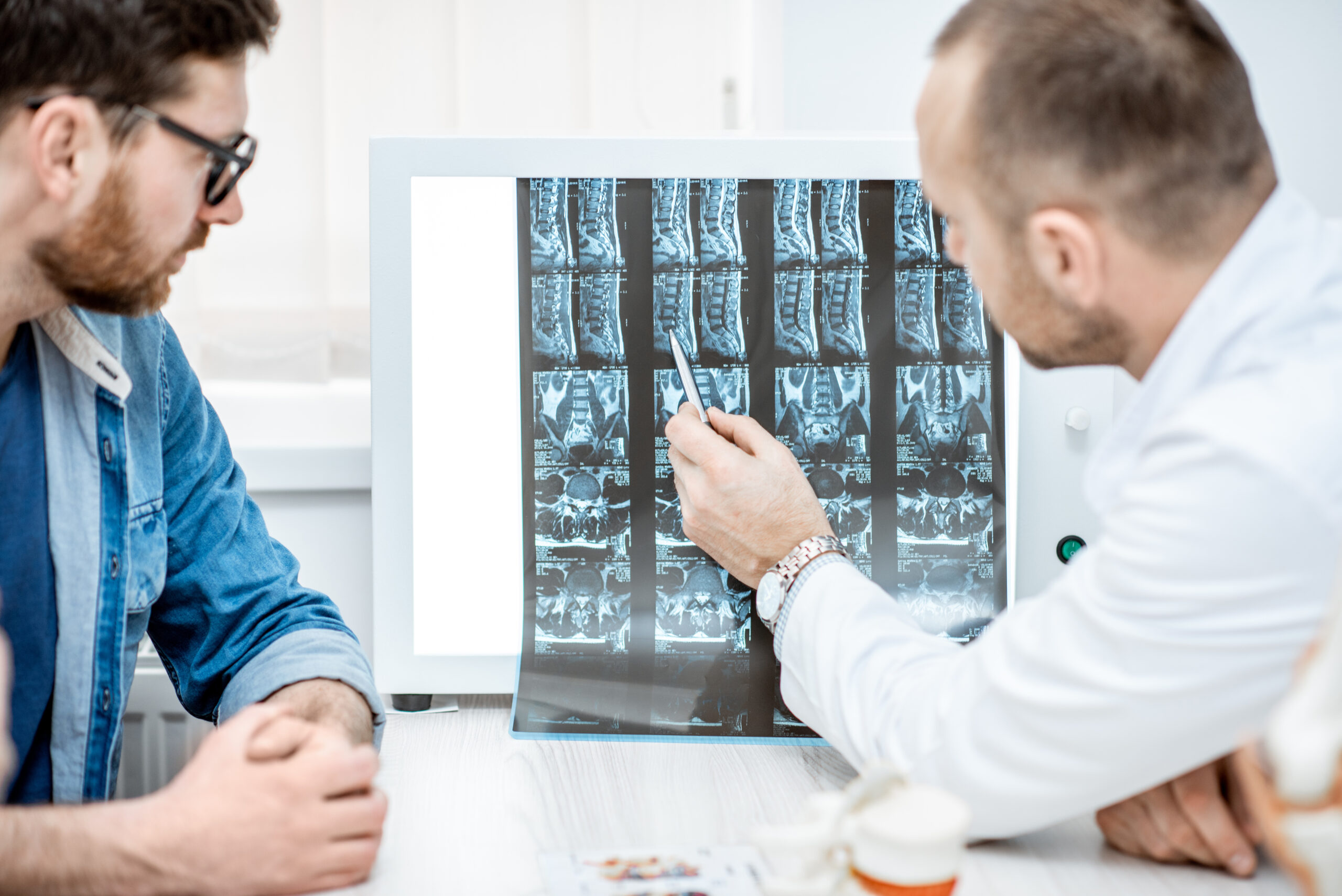
A detailed consultation with a spine surgeon is essential, as it is your opportunity to ask about your diagnosis, whether ADR is a good option, and what your recovery might look like. A specialist experienced in both fusion and disc replacement will help you compare all available treatments.
Dr. Todd Lanman is recognized as one of the world’s foremost experts in artificial disc replacement and motion-preserving spine surgery. His contributions to FDA clinical trials have shaped the availability of devices like the Prestige LP and M6. He also brings a uniquely personal perspective, having undergone ADR procedures himself.
At ADR Spine, we don’t take a one-size-fits-all approach. We utilize Dr. Lanman’s proprietary 4D Health™ strategy to evaluate your spinal condition in the context of your overall well-being, age, hormonal health, and activity level. This comprehensive view enables us to create highly individualized treatment plans tailored for long-term success.
If you’ve been told you need spinal fusion (or if you’re simply ready to move beyond chronic pain), schedule a consultation with ADR Spine. The ADR Spine Top Doctors in ADR & Arthroplasty offer world-class care grounded in decades of clinical leadership.
Let us help you determine whether artificial disc replacement is the right next step toward a stronger, more mobile future.
FOLLOW US ON SOCIAL MEDIA | @ADRSPINE